
Iraq's construction sector has experienced a remarkable transformation in recent years, with modern construction company Iraq leading the charge in rebuilding the nation's infrastructure and establishing new standards for quality and efficiency. As the country continues its journey toward economic recovery and development, these companies are playing a crucial role in constructing residential complexes, commercial buildings, industrial facilities, and essential infrastructure projects that will shape Iraq's future for generations to come.
The Evolution of Construction in Iraq
The construction industry in Iraq has undergone significant changes, adapting to contemporary building methods, international standards, and sustainable practices. Modern construction companies have introduced advanced technologies, improved project management systems, and innovative building materials that enhance durability and reduce environmental impact. This evolution reflects Iraq's commitment to rebuilding its infrastructure with resilience and forward-thinking approaches.
The sector's growth has been fueled by government initiatives, foreign investment, and the urgent need to replace aging infrastructure damaged by years of conflict. Today's construction companies in Iraq are equipped with state-of-the-art equipment, skilled workforce, and comprehensive project management capabilities that enable them to handle complex, large-scale developments.
Key Sectors and Specializations
Residential Construction
Modern construction companies in Iraq have revolutionized the residential sector by developing contemporary housing solutions that meet international standards while respecting local cultural preferences. These projects range from affordable housing complexes to luxury residential developments, incorporating modern amenities, energy-efficient systems, and sustainable design principles.
The focus on residential construction addresses the growing demand for quality housing in urban areas, particularly in Baghdad, Basra, and Erbil. Companies utilize prefabricated construction methods, modular building systems, and advanced concrete technologies to accelerate project delivery while maintaining high-quality standards.
Commercial and Industrial Development
The commercial construction sector has witnessed significant growth, with modern construction company Iraq undertaking ambitious projects including shopping centers, office buildings, hotels, and industrial facilities. These projects incorporate contemporary architectural designs, smart building technologies, and energy-efficient systems that align with international best practices.
Industrial construction has become increasingly important as Iraq diversifies its economy beyond oil dependence. Modern construction companies are building manufacturing facilities, logistics centers, and processing plants that support various industries and create employment opportunities for local communities.
Infrastructure Projects
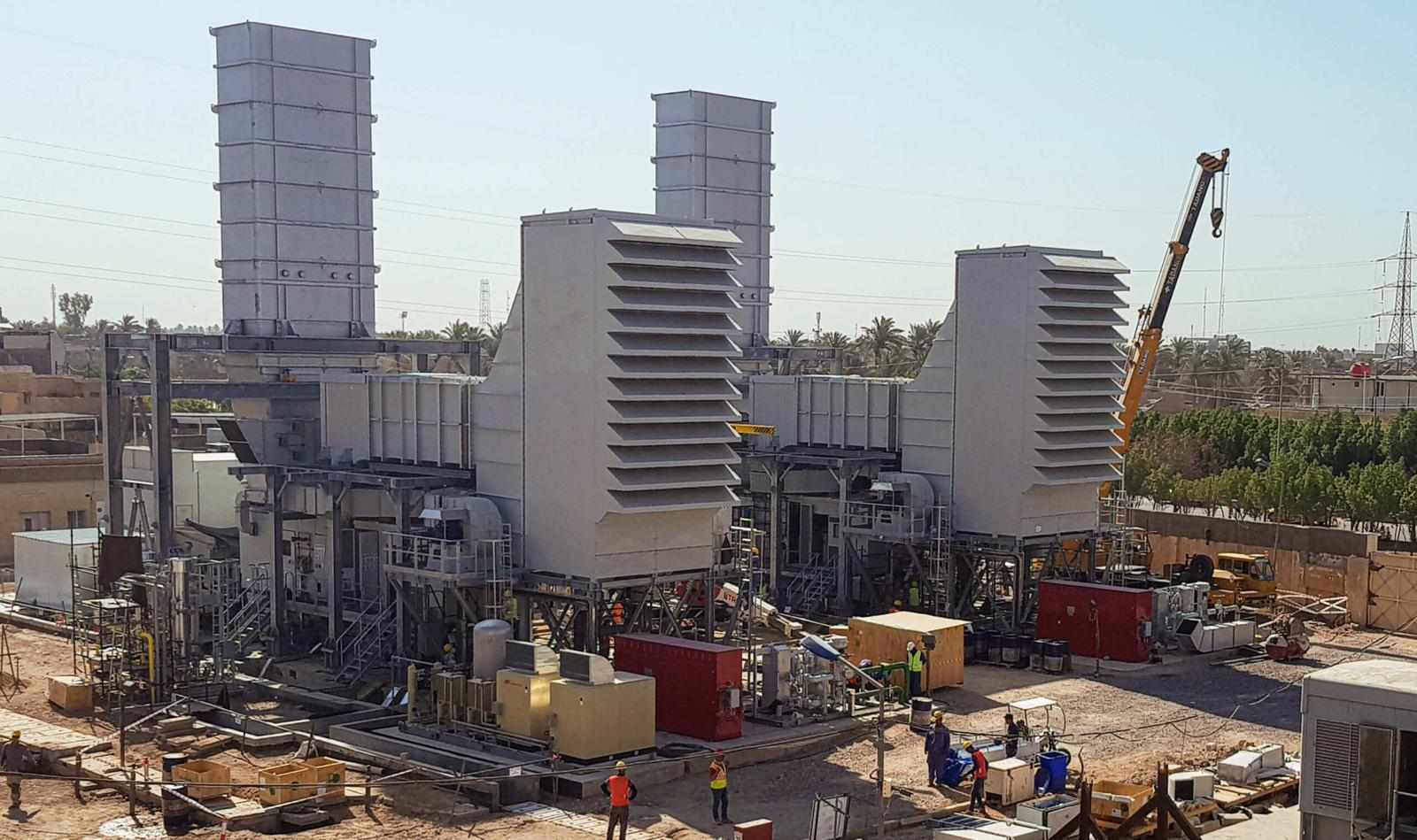
Critical infrastructure development remains a priority, with construction companies focusing on transportation networks, utilities, healthcare facilities, and educational institutions. These projects require specialized expertise in areas such as road construction, bridge building, water treatment facilities, and power generation infrastructure.
The reconstruction of airports, seaports, and railway systems has created opportunities for construction companies to demonstrate their capabilities in complex engineering projects that require international standards and cutting-edge construction techniques.
Technological Advancement and Innovation
Modern construction companies in Iraq have embraced technological innovations that enhance project efficiency, safety, and quality. Building Information Modeling (BIM) technology allows for precise project planning and coordination, while advanced construction equipment improves productivity and reduces project timelines.
The integration of sustainable construction practices has become increasingly important, with companies adopting green building materials, energy-efficient systems, and waste reduction strategies. These methods lessen long-term operating expenses for building owners in addition to their negative effects on the environment.
Digital project management systems enable real-time monitoring of construction progress, resource allocation, and quality control measures. This technological integration ensures that projects meet international standards while adhering to local regulations and requirements.
Challenges and Opportunities
The construction industry in Iraq faces several challenges, including security concerns, regulatory complexities, and the need for skilled workforce development. However, these challenges have driven innovation and created opportunities for companies to develop specialized expertise and resilient business models.
Government support through infrastructure investment programs and regulatory reforms has created a favorable environment for construction companies to expand their operations and take on larger projects. International partnerships and joint ventures have also facilitated knowledge transfer and technology adoption.
The growing emphasis on quality construction and adherence to international standards has positioned Iraqi construction companies to compete in regional markets and attract foreign investment for domestic projects.
Quality Standards and Safety Measures
Internationally compliant safety and quality management systems are top priorities for contemporary Iraqi construction enterprises. The greatest levels of construction excellence are met by projects that adhere to safety procedures, ISO certifications, and quality assurance systems.
Regular training programs for construction workers and engineers help maintain high skill levels and ensure proper implementation of modern construction techniques. This commitment to human resource development strengthens the overall capabilities of the construction sector.
Future Outlook and Development
The future of modern construction company Iraq looks promising, with continued government investment in infrastructure development and growing private sector participation. The National Development Plan outlines ambitious goals for infrastructure improvement, creating substantial opportunities for construction companies to contribute to the nation's growth.
As Iraq continues its reconstruction and development journey, modern construction company Iraq will play an increasingly vital role in shaping the country's infrastructure landscape. Companies like MUE Group are well-positioned to contribute to this transformation, bringing expertise and innovation to meet Iraq's evolving construction needs. The combination of local knowledge, international best practices, and commitment to quality ensures that Iraq's construction sector will continue to grow and contribute significantly to the nation's economic development and prosperity.

Write a comment ...